
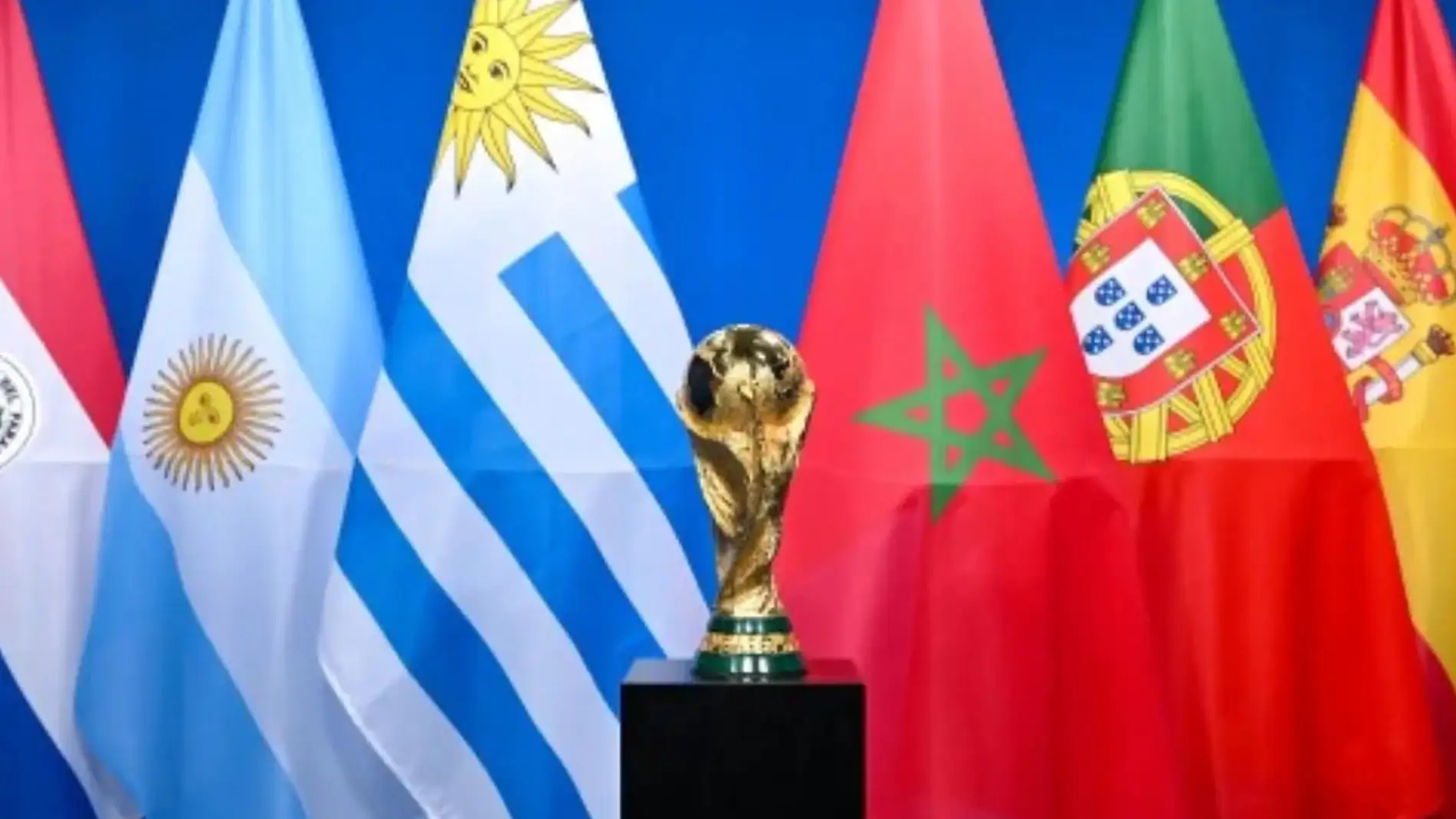
Morocco World Cup 2030: everything you need to know about this historic event
Introduction
The Morocco World Cup 2030 will mark a historic milestone in football history as it celebrates the centenary of the FIFA World Cup with a shared hosting format. Morocco will play a leading role as a host country, consolidating its position as a key destination for international sports and tourism.
This event not only represents a global football celebration, but also a strategic opportunity to boost tourism, modernize infrastructure, and showcase Morocco’s rich cultural, historical, and natural heritage to the world.
Why is the 2030 World Cup so special?
The 2030 FIFA World Cup will commemorate 100 years since the first World Cup and will be jointly hosted by several countries. Morocco’s participation reflects international recognition of its development, stability, and organizational capacity.
Key factors that position Morocco as a 2030 World Cup host include:
- Strategic location between Europe, Africa, and the Middle East.
- Modern and expanding stadiums prepared for international competitions.
- Previous experience hosting continental tournaments and FIFA events.
- Strong tourism infrastructure, with international airports, a modern railway network, and a wide range of accommodation.
Key Moroccan cities for the 2030 World Cup
Although the official host cities may evolve over time, several Moroccan cities are expected to play a major role in the 2030 World Cup in Morocco:
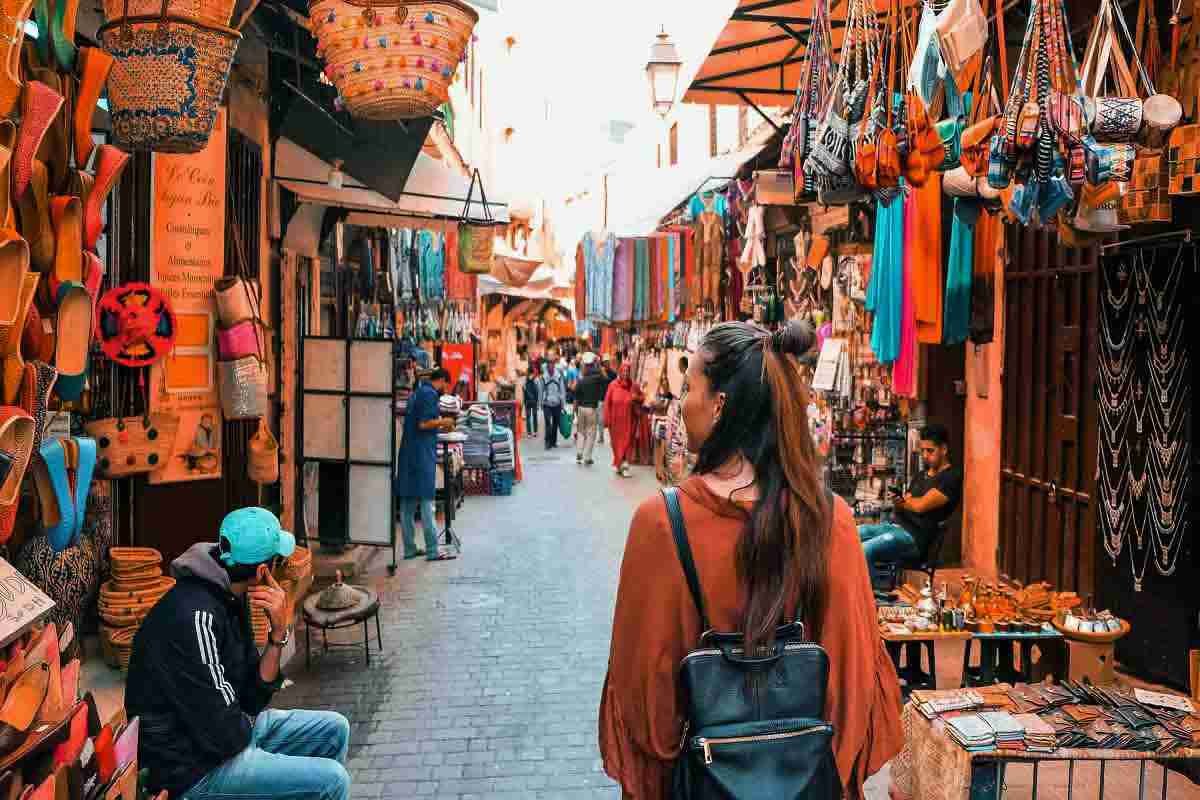
Marrakech
An iconic destination known for its Medina, Jemaa el-Fna square, and traditional riads. Perfect for combining football matches with cultural tourism.
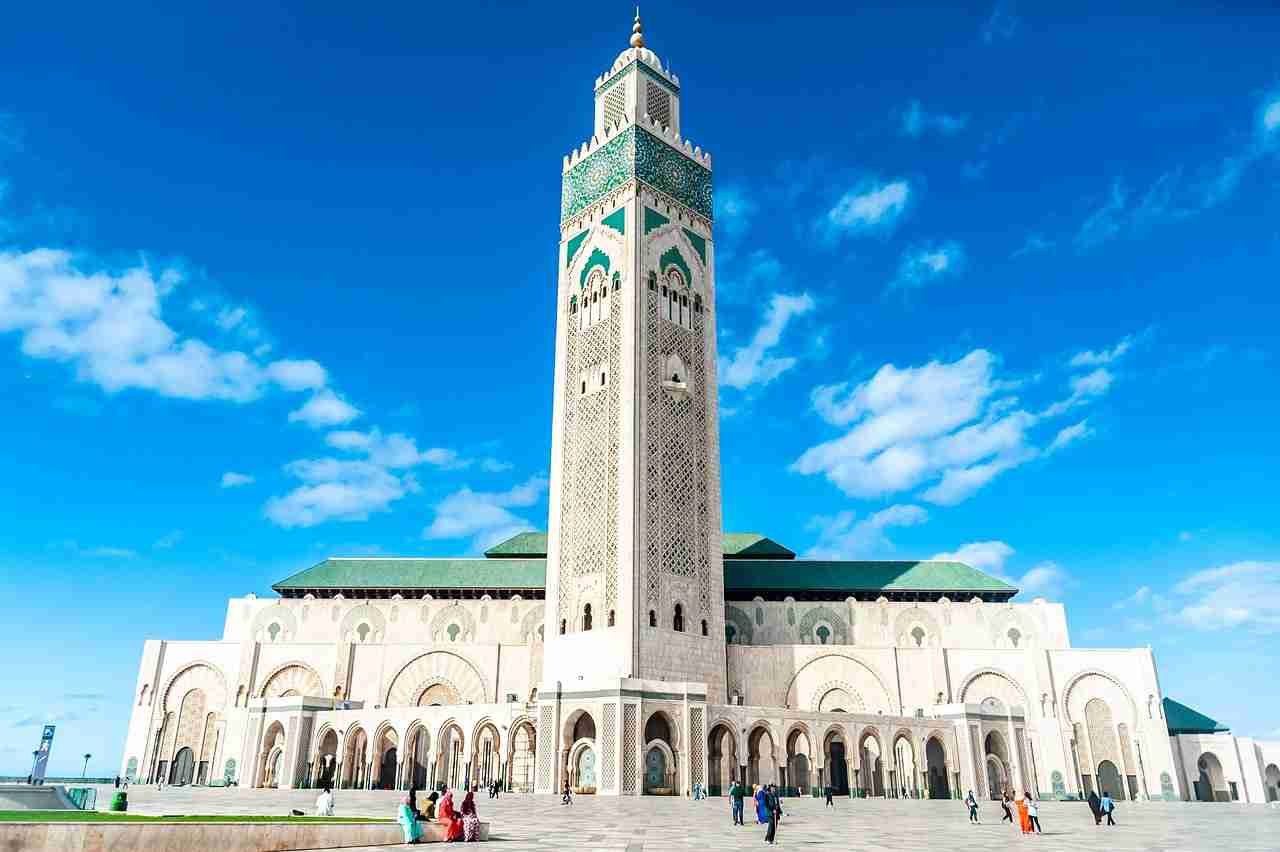
Casablanca
The economic capital of the country, featuring major infrastructure, one of the most emblematic stadiums, and a high hotel capacity.
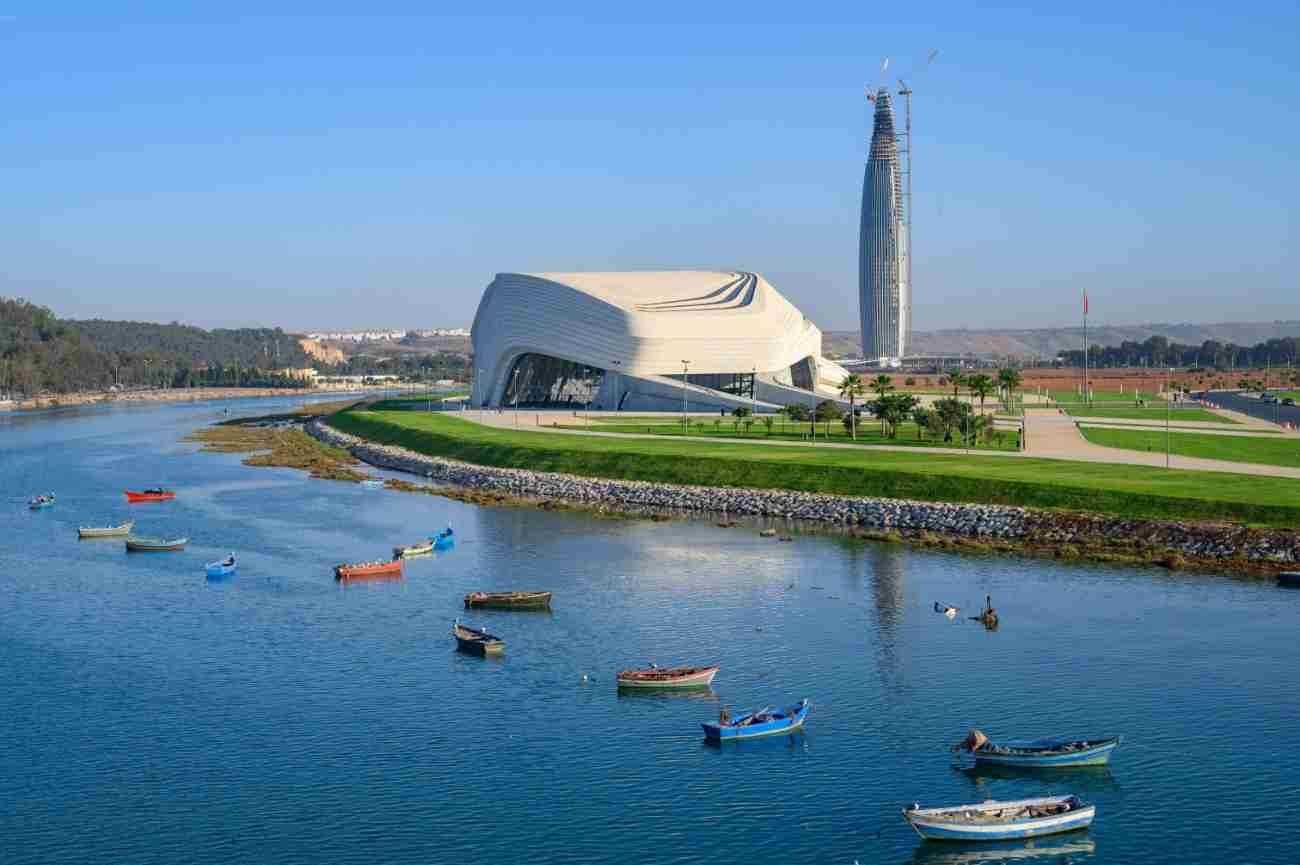
Rabat
Morocco’s political capital, standing out for its balance between history, modernity, and quality of life.
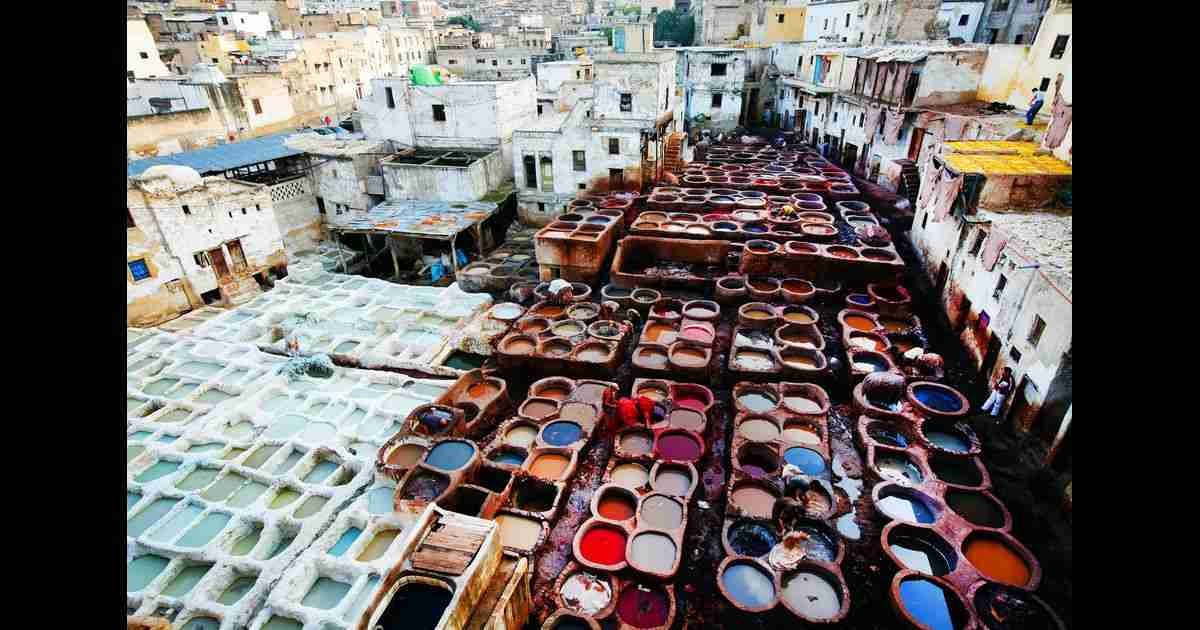
Fez
Home to one of the oldest medinas in the Islamic world, ideal for travelers seeking authenticity.
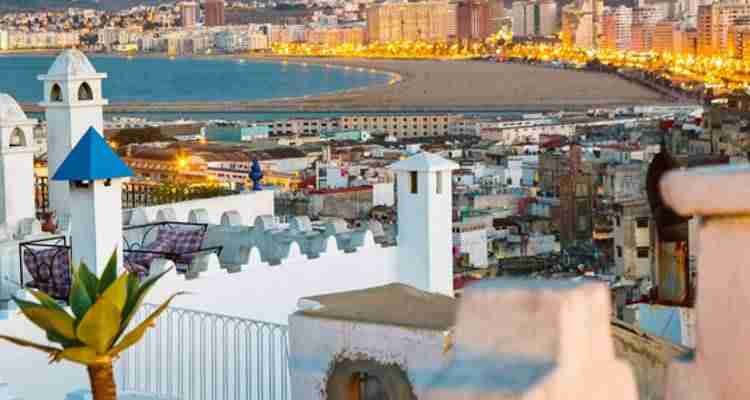
Tangier and Agadir
Coastal cities with strong tourist appeal, perfect for combining football, beaches, and gastronomy.
Impact of the 2030 World Cup on tourism in Morocco
Hosting the Morocco World Cup 2030 will have a deep and lasting impact on the tourism sector:
1. Growth in international tourism
Millions of fans will visit Morocco, many for the first time, discovering its diversity: the Sahara Desert, Atlas Mountains, Atlantic and Mediterranean coastlines.
2. Infrastructure development
The World Cup will accelerate key projects such as:
- Airport modernization
- New railway and road connections
- Stadium renovation and construction
- Expansion of hotels and tourist accommodations
3. Global promotion of Morocco
During the tournament, Morocco will receive unprecedented global exposure across media, social networks, and sports broadcasts.
4. Benefits for local tourism
Travel agencies, guides, restaurants, artisans, and traditional accommodations will benefit directly from the increase in visitors.
Things to do in Morocco during the 2030 World Cup
Experiencing the 2030 World Cup in Morocco will be much more than attending football matches. Travelers will be able to:
- Explore the Sahara Desert and sleep in traditional desert camps.
- Visit the historic medinas of Marrakech, Fez, or Chefchaouen.
- Enjoy Moroccan cuisine such as tagine, couscous, and pastilla.
- Relax on the Atlantic and Mediterranean beaches.
- Discover Berber and Arab culture, traditions, and craftsmanship.
Tips for planning your trip
- Book flights and accommodation early.
- Combine football with travel routes to make the most of your trip.
- Check official sources for FIFA tickets and host cities.
- Travel with Morocco-specialized agencies for a smoother and more authentic experience.
Conclusion
It will be an unforgettable event that brings together football, culture, and hospitality. Morocco is ready to welcome the world and offer a unique experience both inside and outside the stadiums.
If you dream of experiencing the World Cup in a different destination full of history and contrasts, Morocco will be one of the main protagonists in 2030.
